Agriculture: Pushing oil palm smallholders to adopt regenerative agriculture
This article first appeared in The Edge Malaysia Weekly on January 19, 2026 - January 25, 2026
Independent smallholders (ISHs) are already adhering to numerous sustainability standards in the oil palm industry. However, to increase ISH inclusion in the global oil palm supply chain, they need to go beyond certification and look at regenerative agriculture as a means to improve farm profitability, protect biodiversity and increase the potential for more carbon to be sequestered, says Reza Azmi, founder and executive director of Wild Asia.
The growing emphasis on traceability and sustainability has increased pressure on mills and producers to demonstrate not only that palm oil is traceable, but also that it is responsibly produced, he adds. Wild Asia is a not-for-profit organisation that promotes sustainable plantation development and biodiversity protection.
“The industry recognised the need for a global standard, Roundtable on Sustainable Palm Oil (RSPO), 10 years ago because there was no prevailing standards that could be applied across all production regions. Now, just being RSPO-certified is no longer enough. Buyers want to know exactly where their products come from, and this demand is not limited to Malaysia but extends across the region,” says Reza.
To address these challenges, Wild Asia works with mills and dealers through initiatives such as the Wild Asia Group Scheme (WAGS), which aims to strengthen traceability, transparency and smallholder inclusion.
WAGS was created in 2010 to address the challenges faced by ISHs by providing the necessary technical assistance, training and capacity building for small farmer groups. The programme supports ISHs in improving farming practices and progressing towards international standards. Mills participating in WAGS are able to sell RSPO-certified sustainable palm oil using RSPO credits.

At the farm level, the WAGS Bio programme focuses on regenerative agriculture, aiming to transform oil palm landscapes by improving soil health. John Howes, technical director at Wild Asia, says healthy soil is the foundation of palm cultivation.
“Regenerating an ecosystem is not an easy thing to do, especially when you have [turned a] forest into agriculture land to plant oil palm or rubber. You are never going to regenerate that back into a forest [like it was before]. For me, regenerative agriculture is more about natural farming. It’s about using natural systems and ecology to bring back life to the soil and farm,” he says.
The organisation helps farmers improve soil structure with regenerative agriculture. This allows farmers to grow stronger plants that naturally resist pests and diseases, produce higher yields and reduce their reliance on costly chemical inputs.

“Farms that adopt regenerative agriculture practices can increase profitability and foster sustainable land management. One of our case studies showed a plot of land under the WAGS Bio programme has a gross profit of 30% more than conventional plots,” says Howes.
“Under regenerative agriculture, you take it further than organic agriculture, because many people just stop using chemicals and start buying organic fertilisers. We are not recommending farmers to buy any organic fertilisers. We are showing them how to make it themselves and regenerate the soil for oil palm cultivation. It’s a slow process.”
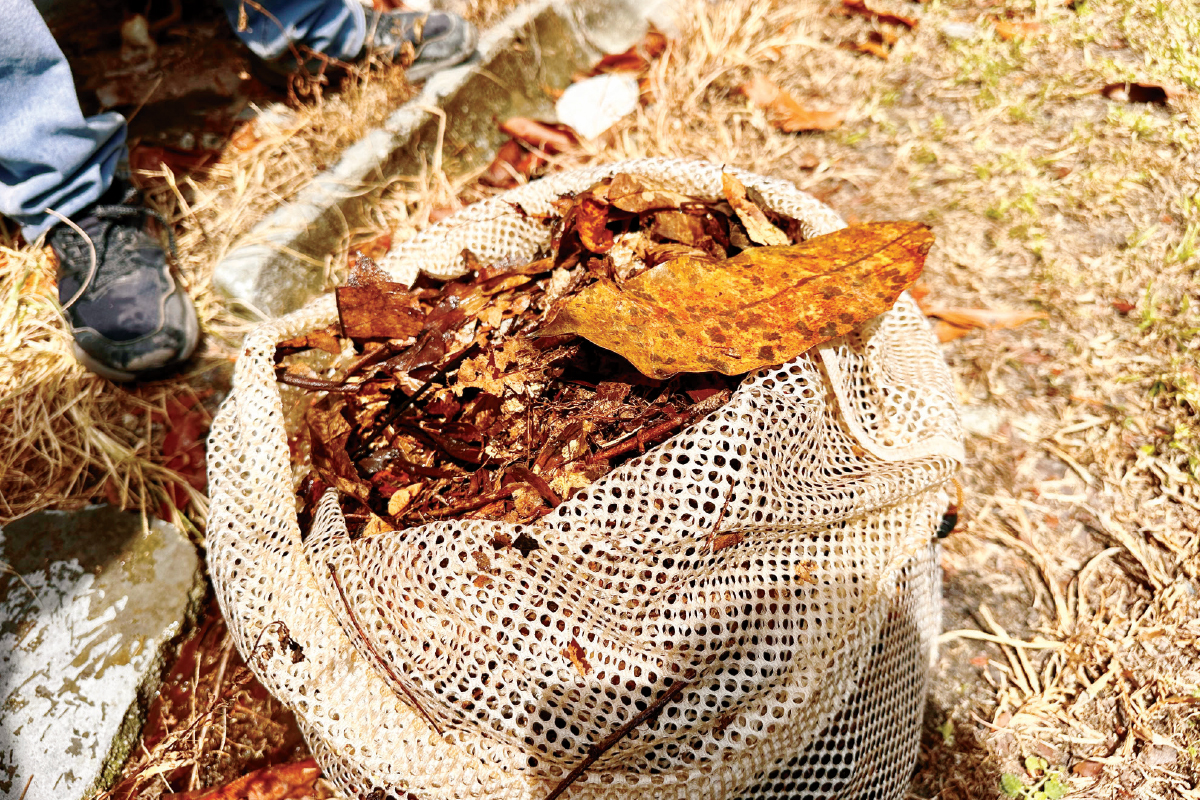
For instance, the WAGS Bio programme includes producing bio enzymes from vegetable and fruits scraps, aerated compost made from forest litter and fermented fish hydrolysate made from fish waste.
By not using pesticides and chemical fertilisers, farmers can protect soil health and slash production costs, says Howes. Avoiding the use of these substances also lowers greenhouse gas emissions. According to Wild Asia’s website, these WAGS Bio farming practices can reduce overall farm-level greenhouse gas emissions by up to 60%.
This often requires a shift from conventional farming practices towards more controlled and managed use of inputs such as chemicals, while continuing to produce palm oil in line with RSPO criteria.
“[The ISHs] have changed the way they farm conventionally and the way they use chemicals. They are still using chemicals, but they are doing it in a more managed way. They’re still harvesting palm but they’re making sure they do things in a way that fits the RSPO criteria. We believe that we can go much further with regenerative agriculture,” says Howes.
Nevertheless, Wild Asia is not discounting the importance of the RSPO certification.
While RSPO certification is voluntary, market realities have made it commercially essential. International buyers, financiers and regulators increasingly expect certified and traceable palm oil, leaving companies without RSPO certification exposed to risks ranging from loss of market access and financing opportunities to reputational damage.
Reza observes that RSPO certification can play a critical role in improving smallholder livelihoods by providing a pathway to market access and premium prices. “What we have found is that certification resonates with brands. For them, receiving RSPO-certified palm oil is important, and that creates income opportunities for producers,” he says.
Currently, RSPO-certified palm oil accounts for roughly 20% of global palm oil production.

“There has been increasing demand from industry players to know where their palm oil is coming from, and this has pushed mill owners and operators to go beyond baseline requirements. RSPO certification has become part of market connectivity and it gives smallholders market access,” says Reza.
Rewarding mills that source sustainable oil palm from smallholders
Wild Asia encourages mills to adopt smallholder-inclusive sourcing by rewarding them through direct premiums. Through its Small Producer Inclusivity and Resilience Alliance (SPIRAL) partnerships, the organisation connects smallholders with mills that are directly linked to global brands seeking to support sustainable and inclusive palm oil production.
Reza says SPIRAL was developed to ensure that the perspectives of smallholders across various regions are represented.
“We realised that, when we talked to farmers from different parts of the world, a one-size-fits-all approach would be a challenge. Diversity should be a strength. [That’s why] we created the idea of “living labs” under SPIRAL over a decade ago,” he adds.
Oil palm produced under the SPIRAL programme is traceable from farm to mill and is compliant with global policies like “No deforestation, no peat and no exploitation”, according to Wild Asia.
Howes says partner companies under SPIRAL invest in initiatives such as WAGS Bio farms and WAGS biochar projects that directly benefit smallholders.
SPIRAL partners include Japanese trading house Mitsui & Co, which supports Wild Asia’s mission to promote traceable and nature-positive palm oil production. Tomonori Sekiguchi, senior project manager in the group business management department of Mitsui’s food business unit, says the company is looking beyond RSPO certification to strengthen inclusivity and environmental outcomes.
“We trust RSPO and we want to keep working with RSPO because it is a very credible and reliable system. Our customers also respect and rely on the RSPO system. But if we want to be more inclusive or if we want to be more nature-positive, I think we need to go beyond the certification,” says Sekiguchi.
While RSPO certification remains critical across the supply chain, he acknowledges that some independent smallholders face structural barriers in meeting certification requirements.
“There will be some [smallholders] who are not eligible and not capable of getting certified. Those [smallholders] will be left behind. That’s why Wild Asia is coming to help them, to let them get certified and understand a sustainable or more nature-positive way of doing oil palm farming and harvesting,” he says.
Howes says RSPO certification opens the door to good agricultural practices, including regenerative and organic farming methods for ISHs. But the challenge lies in whether mills are willing to support this transition by segregating sustainably produced or organic oil palm and marketing it accordingly.
“We are trying to develop a business model that involves the buyer, the mill, the farmer and everybody else along the supply chain. We are selling this to buyers not only because it’s regenerative or because it’s nature-positive, but also because of the carbon story,” he adds.
In line with this, the RSPO announced in November last year that it was open to exploring a carbon-sequestration payment mechanism that would enable smallholders to earn additional income from sustainable practices.
The proposed mechanism would reward farmers for capturing and storing carbon dioxide through climate-smart practices such as no-burn land clearing, soil enrichment, forest preservation and tree replanting. The amount of carbon absorbed or prevented from release would be measured and verified, with each tonne of carbon dioxide equivalent generating one carbon credit that can be sold in carbon markets.
“The more you regenerate your soil, the more carbon you lock up in your farm, in your soils and in other areas around your farm, the lower your carbon footprint. The buyers want low-carbon footprint palm oil and they want that to be audited. And that is what we are trying to do now with Mitsui and our other partners,” says Howes.

Stories from the ground
For many independent smallholders, Roundtable on Sustainable Palm Oil (RSPO) credits translate into more than just a bonus. It serves as a recognition of their contribution to sustainability.
Muhammad Hariz Mat Jailani, 30, who owns a 300ha oil palm plantation in Perak, with 50ha dedicated to the WAGS Bio farm, says the RSPO premiums earned through sustainable and nature-positive farming have provided him with additional income to cover operating costs such as daily wages.
“The [RSPO] premiums are important for farmers like me, given the fluctuating palm oil prices. Having the additional income can help cover additional expenses like wages and buying seedlings,” he adds.
Through Wild Asia’s WAGS Bio programme, Muhammad Hariz was able to significantly reduce his expenses on chemical fertilisers.
“Before this, for fertilisers, it took up to RM2,000 a year. But now, since we are moving towards bio or nature-based fertilisers, it is about RM500 to RM600 a year. Little costs like these make a difference,” he says.
Echoing a similar sentiment, 62-year-old Yusof Endut, a cattle farmer and oil palm plantation owner in Perak, says not only did he reduce the cost of fertiliser but also the amount of fertiliser he used for each tree on his 10ha plantation.
“Usually after 10 years, one mature oil palm tree requires at least 3kg of fertiliser. But since the cost of fertiliser is high, I reduced the amount to 2kg. After Wild Asia started helping me with the certifications and knowledge sharing, I started using cattle droppings as organic fertiliser. This helped me to cut the cost of buying fertiliser,” he adds.
Yusof is currently working towards the RSPO certification.
“Through Wild Asia, we receive training and support, and they help us understand the steps needed to meet the standards. The benefits go beyond finances. The knowledge and practical guidance on how to farm better are just as important,” he says.
Save by subscribing to us for your print and/or digital copy.
P/S: The Edge is also available on Apple's App Store and Android's Google Play.
The content is a snapshot from Publisher. Refer to the original content for accurate info. Contact us for any changes.
Comments